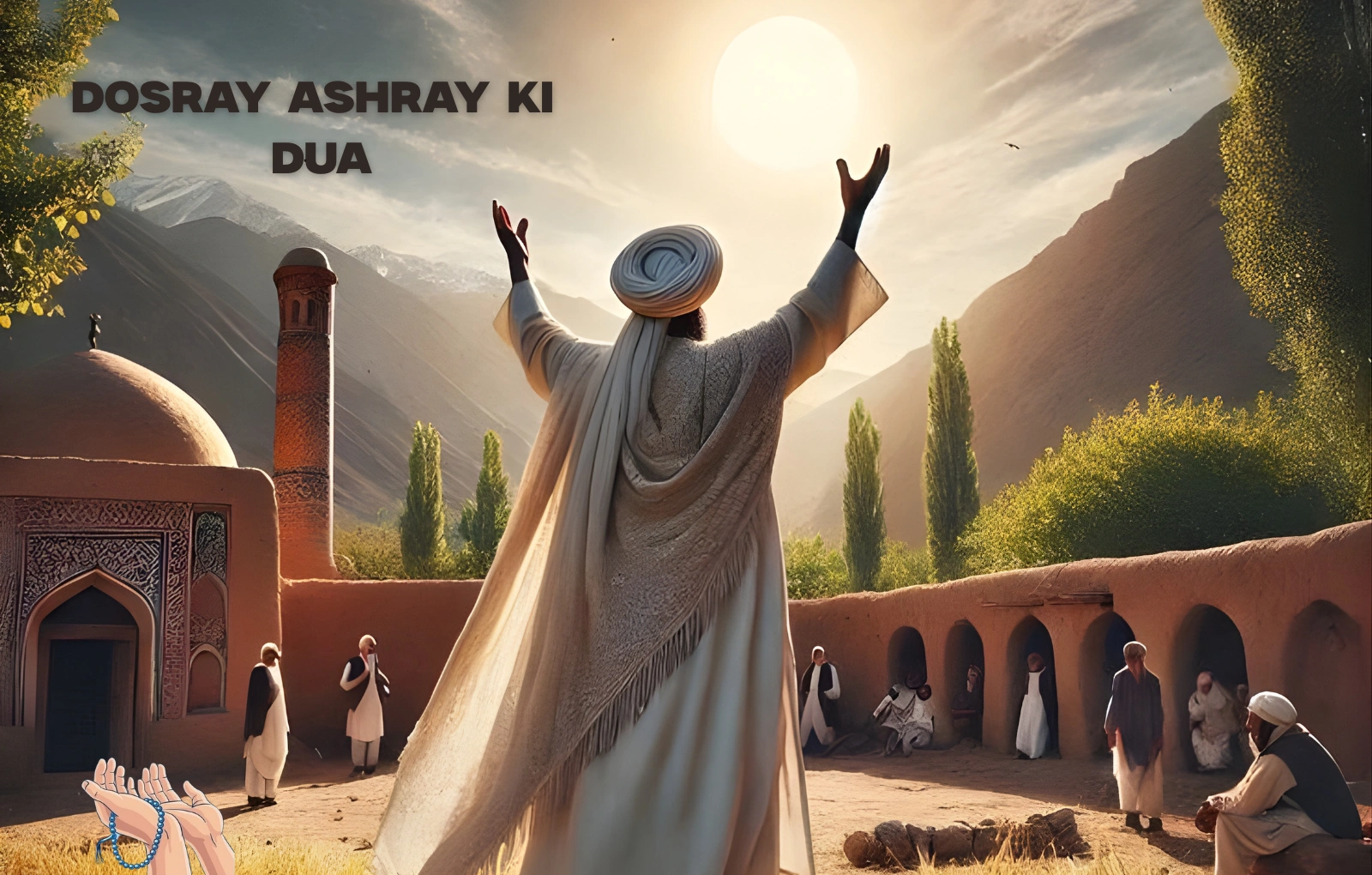
Ramadan is not a single uniform month it is a layered spiritual journey. And those who understand the structure of this blessed month know that its middle ten days carry a weight that is almost impossible to describe in words.
Dosray ashray ki dua: the supplication of the second Ashra is not just a phrase to memorize. It is the formal entry point into one of the most merciful windows Allah Subhanahu wa Ta’ala has opened for His servants. A chance to have every sin you have ever committed wiped clean, if you approach it with sincerity.
From the 11th to the 20th of Ramadan, Muslims around the world from Pakistan and India to Egypt and Indonesia turn to this specific supplication with one intention: Maghfirat, divine forgiveness.
What Is an Ashra? Understanding the Structure First
The word “Ashra” comes from Arabic عشرة meaning ten. Ramadan’s 30 days are spiritually divided into three segments:
| Ashra | Days | Name | Primary Focus |
|---|---|---|---|
| First Ashra | 1 – 10 Ramadan | Ashra-e-Rahmat | Seeking Allah’s Mercy |
| Second Ashra | 11 – 20 Ramadan | Ashra-e-Maghfirat | Seeking Forgiveness |
| Third Ashra | 21 – 29/30 Ramadan | Ashra-e-Nijat | Seeking Salvation from Hellfire |
The Prophet Muhammad ﷺ said:
“It is the month whose beginning is mercy, whose middle is forgiveness, and whose end is freedom from the Fire.”
(Ibn Khuzaymah, narrated from Salman Al-Farsi RA note: graded da’eef by some scholars, but the meaning is affirmed by multiple sahih narrations)
This division reminds every Muslim that even if the first ten days passed without full devotion, the door to forgiveness opens wide in the second ten days and dosray ashray ki dua is your key to that door.
Dosray Ashray Ki Dua
This is the primary dua of the second Ashra, drawn from authentic Prophetic supplications focused on istighfar (seeking forgiveness) and tawbah (sincere repentance):
Dua in Arabic
أَسْتَغْفِرُ اللَّهَ رَبِّي مِنْ كُلِّ ذَنْبٍ وَأَتُوبُ إِلَيْهِ
Transliteration
Astaghfirullāha Rabbī min kulli dhambin wa atūbu ilayhi
Meaning in English
“I seek forgiveness from Allah, my Lord, from every sin I have committed, and I repent to Him.”
Why This Dua Works: The Two Pillars Inside It
What makes this supplication spiritually complete is that it contains two essential elements that scholars identify as the foundation of accepted repentance:
1. Istighfar (إِسْتِغْفَار): Verbally and mentally acknowledging your sins and asking Allah to erase them.
2. Tawbah (تَوْبَة): A genuine turning back to Allah with the firm resolve not to return to that sin.
The Prophet ﷺ said:
“All the children of Adam are sinners, and the best of sinners are those who repent.”
(Sunan Ibn Majah, No. 4251 Hasan hadith)
When you recite dosray ashray ki dua with both conditions alive in your heart, you are doing exactly what the Prophet ﷺ described and that is precisely what Ashra-e-Maghfirat is designed for.
Quranic Foundation: Why Forgiveness Is Central to Ramadan
Allah Ta’ala made this month a season of forgiveness on purpose. These Quranic verses form the doctrinal backbone of the second Ashra and everything its dua stands for:
Verse 1: Allah Loves Those Who Repent
Arabic: إِنَّ اللَّهَ يُحِبُّ التَّوَّابِينَ وَيُحِبُّ الْمُتَطَهِّرِينَ
Transliteration: Innallāha yuhibbu-t-tawwābīna wa yuhibbu-l-mutaṭahhirīn
Meaning: “Indeed, Allah loves those who constantly repent and loves those who purify themselves.”
Surah Al-Baqarah (2:222)
Verse 2: The Command to Repent
Arabic:
وَتُوبُوا إِلَى اللَّهِ جَمِيعًا أَيُّهَ الْمُؤْمِنُونَ لَعَلَّكُمْ تُفْلِحُونَ
Transliteration:
Wa tūbū ilallāhi jamī’an ayyuha-l-mu’minūna la’allakum tufliḥūn
Meaning:
“And turn to Allah in repentance, all of you, O believers, so that you may succeed.”
Surah An-Nur (24:31)
Verse 3: The Door Is Never Closed
Arabic:
قُلْ يَا عِبَادِيَ الَّذِينَ أَسْرَفُوا عَلَىٰ أَنفُسِهِمْ لَا تَقْنَطُوا مِن رَّحْمَةِ اللَّهِ
Transliteration:
Qul yā ‘ibādiyallathīna asrafū ‘alā anfusihim lā taqnaṭū min raḥmatillāh
Meaning:
“Say: O My servants who have transgressed against themselves do not despair of the mercy of Allah.”
Surah Az-Zumar (39:53)
This last verse is one of the most powerful reasons to recite dosray ashray ki dua without shame or hesitation no matter how heavy your sins feel.
All Related Duas for the Second Ashra
The ramadan second ashra dua does not stand alone. These additional supplications are all drawn from sahih sources and are particularly appropriate during this period of seeking forgiveness:
Dua 1: Sayyid-ul-Istighfar (The Master Supplication for Forgiveness)
This is the single most comprehensive istighfar in Islamic tradition. The Prophet ﷺ said: “Whoever says this during the day with firm belief in it and dies before evening, he is from the people of Paradise.”
(Sahih Bukhari, No. 6306)
Arabic:
اللَّهُمَّ أَنْتَ رَبِّي لَا إِلَهَ إِلَّا أَنْتَ، خَلَقْتَنِي وَأَنَا عَبْدُكَ، وَأَنَا عَلَى عَهْدِكَ وَوَعْدِكَ مَا اسْتَطَعْتُ، أَعُوذُ بِكَ مِنْ شَرِّ مَا صَنَعْتُ، أَبُوءُ لَكَ بِنِعْمَتِكَ عَلَيَّ، وَأَبُوءُ بِذَنْبِي فَاغْفِرْ لِي، فَإِنَّهُ لَا يَغْفِرُ الذُّنُوبَ إِلَّا أَنْتَ
Transliteration:
Allāhumma anta Rabbī lā ilāha illā anta, khalaqtanī wa anā ‘abduka, wa anā ‘alā ‘ahdika wa wa’dika mastata’tu, a’ūdhu bika min sharri mā ṣana’tu, abū’u laka bini’matika ‘alayya, wa abū’u bidhanbī faghfir lī, fa’innahū lā yaghfiru-dh-dhunūba illā anta.
Meaning:
“O Allah, You are my Lord. There is no god but You. You created me and I am Your servant. I am upon Your covenant and promise to the best of my ability. I seek refuge in You from the evil of what I have done. I acknowledge before You Your favor upon me, and I acknowledge my sin so forgive me. For indeed, no one forgives sins except You.”
📚 Source: Sahih Bukhari Hadith No. 6306
Dua 2: Prophet Adam’s Dua of Repentance
Arabic:
رَبَّنَا ظَلَمْنَا أَنفُسَنَا وَإِن لَّمْ تَغْفِرْ لَنَا وَتَرْحَمْنَا لَنَكُونَنَّ مِنَ الْخَاسِرِينَ
Transliteration:
Rabbanā ẓalamnā anfusanā wa illam taghfir lanā wa tarḥamnā lanakūnanna minal-khāsirīn
Meaning:
“Our Lord, we have wronged ourselves, and if You do not forgive us and have mercy upon us, we will surely be among the losers.”
📚 Source: Surah Al-A’raf (7:23) The dua of Prophet Adam (AS) at the moment of his repentance
This supplication is one of the most moving in the Quran. It openly admits wrongdoing without making excuses which is the essence of sincere tawbah that belongs in every ramadan ashra dua session.
Dua 3: Prophetic Dua Recited After Every Prayer
The Prophet ﷺ used to recite this after every salah:
Arabic:
رَبِّ اغْفِرْ لِي وَتُبْ عَلَيَّ إِنَّكَ أَنتَ التَّوَّابُ الرَّحِيمُ
Transliteration:
Rabbi-ghfir lī wa tub ‘alayya innaka anta-t-Tawwābu-r-Raḥīm
Meaning:
“My Lord, forgive me and accept my repentance. Indeed, You are the Accepter of repentance, the Most Merciful.”
📚 Source: Sunan Abu Dawud Hadith No. 1516 (Sahih)
Dua 4: Seeking Pardon and Wellbeing in Both Worlds
Arabic:
اللَّهُمَّ إِنِّي أَسْأَلُكَ الْعَفْوَ وَالْعَافِيَةَ فِي الدُّنْيَا وَالْآخِرَةِ
Transliteration:
Allāhumma innī as’aluka-l-‘afwa wal-‘āfiyata fi-d-dunyā wal-ākhirah
Meaning:
“O Allah, I ask You for pardon and well-being in this world and in the Hereafter.”
📚 Source: Sunan Ibn Majah Hadith No. 3871; Sahih chain. Ibn Umar (RA) narrated that the Prophet ﷺ never abandoned this dua morning and evening.
Dua 5: Short But Powerful: The Dua for Complete Forgiveness
Arabic: اللَّهُمَّ اغْفِرْ لِي ذَنْبِي كُلَّهُ، دِقَّهُ وَجِلَّهُ، وَأَوَّلَهُ وَآخِرَهُ، وَعَلَانِيَتَهُ وَسِرَّهُ
Transliteration:
Allāhumma-ghfir lī dhanbī kullahu, diqqahu wa jillahu, wa awwalahu wa ākhirahu, wa ‘alāniyatahu wa sirrahu
Meaning:
“O Allah, forgive me all my sins the small and the great, the first and the last, the public and the hidden.”
📚 Source: Sahih Muslim Hadith No. 483. The Prophet ﷺ taught this dua as a comprehensive request for forgiveness covering every category of sin.
The Three Ashras at a Glance
| Ashra | Days | Arabic Dua | Focus |
|---|---|---|---|
| First | 1–10 | رَبِّ اغْفِرْ وَارْحَمْ وَأَنتَ خَيْرُ الرَّاحِمِينَ | Mercy |
| Second | 11–20 | أَسْتَغْفِرُ اللَّهَ رَبِّي مِنْ كُلِّ ذَنْبٍ وَأَتُوبُ إِلَيْهِ | Forgiveness |
| Third | 21–30 | اللَّهُمَّ أَجِرْنِي مِنَ النَّارِ | Salvation |
When and How to Recite Dosray Ashray Ki Dua
Certain times carry greater spiritual weight for supplication. Here is what the authentic sources tell us:
Last Third of the Night (Sehri/Tahajjud Time)
The Prophet ﷺ said: “Our Lord descends to the lowest heaven during the last third of every night, saying: ‘Who is asking Me, that I may give? Who is calling upon Me, that I may answer? Who is seeking My forgiveness, that I may forgive?'”
(Sahih Bukhari, No. 1145)
After Every Obligatory Prayer
Reciting istighfar three times after each fard salah is an established Sunnah.
(Sahih Muslim, No. 591)
At Iftaar Time
The Prophet ﷺ said: “The fasting person has, at the time of breaking fast, a supplication that is not rejected.”
(Ibn Majah, No. 1753 Sahih)
After Taraweeh Prayer
The night prayers soften the heart this is the best moment to sit quietly and recite ashra dua with full presence of mind.
Read Also: Pehla Ashra Ki Dua
The Real Conditions of Tawbah
Reciting dosray ashray ki dua with your tongue is a start but scholars have outlined the conditions for tawbah to actually be accepted:
Condition 1: Genuine Remorse
You must feel regret for the sin not just say the words. Ibn Qayyim Al-Jawziyyah explained in Madarij Al-Salikeen that remorse is the very soul of repentance.
Condition 2: Immediate Cessation
You cannot continue the sin while seeking forgiveness. The two cannot coexist.
Condition 3: Firm Resolve
A sincere intention to never return to that sin. If someone returns, they must repent again but the original repentance is not invalidated by a later relapse, as long as it was sincere at the time.
Condition 4: Restoring Others’ Rights
If the sin involved another person backbiting, theft, broken trust then forgiving or compensating them is an additional required condition.
(Riyadh Al-Saliheen, Imam Al-Nawawi, Chapter on Repentance)
Warning most articles ignore: Repeating “Astaghfirullah” as a habit while not genuinely intending to leave the sin is described by scholars as a kind of contradiction. This second Ashra is the moment to make the repentance real, not ceremonial.
A Simple Daily Routine for the Second Ashra
Here is a practical, time-light routine that can be maintained throughout the second Ashra:
| Time | Action |
|---|---|
| Sehri (before Fajr) | Recite Sayyid-ul-Istighfar once slowly with reflection |
| After Fajr | Recite the main dosray ashray ki dua 3 times |
| After Dhuhr | Say Astaghfirullah 33 times |
| After Asr | Recite Dua 4 (Al-‘afwa wal-‘afiya) |
| Before Iftaar | Recite Prophet Adam’s dua (Surah A’raf 7:23) |
| After Taraweeh | Spend 5 minutes in silent reflection recall your sins and ask forgiveness privately |
This routine takes under 15 minutes across the full day. The benefit, if sincere, can last for eternity.
Pros and Cons of How People Approach the Second Ashra
| Common Approach | What Works | What Needs Improvement |
|---|---|---|
| Reciting dua only once at Sehri | Establishes a habit | Too infrequent to build depth |
| Memorizing Arabic without meaning | Honors the Arabic form | Missing the emotional connection |
| Only reciting during Ramadan | Ramadan amplifies reward | Tawbah should continue year-round |
| Reciting with full meaning and reflection | Most effective approach | Requires consistency |
Conclusion
The second Ashra – the Ashra of Forgiveness is perhaps the most intimate window between a believer and their Lord in the entire Islamic calendar. It is not a formality. It is not just a dua to post on social media. It is a sincere, personal conversation between you and the One who already knows every sin you’ve committed and is still inviting you back.
Dosray ashray ki dua recited with regret, honesty, and firm resolve has the power to close chapters of sin that have weighed on your heart for years. The door is open. The invitation is standing. These ten days will not come back once they are gone.
Pick up the words, feel their weight, and say them like you mean it. That sincerity is what Ashra-e-Maghfirat was built for.
? FAQs About 2nd Ashra Dua
Q1: What is dosray ashray ki dua in English?
“I seek forgiveness from Allah, my Lord, from every sin, and I repent to Him.” It is recited during the 11th–20th days of Ramadan.
Q2: Is this dua from Sahih Bukhari?
Its exact Ashra framing is a scholarly recommendation, but its words are rooted in Sahih Bukhari and Muslim narrations on istighfar.
Q3: How many times should the second ashra dua be recited daily?
No fixed number is prescribed. Reciting it after each of the five daily prayers is a good minimum.
Q4: What is the best time to recite the ramadan second ashra dua?
The last third of the night (Sehri/Tahajjud) and just before Iftaar both are times when duas are most readily accepted.
Q5: Can I recite other duas during the second Ashra?
Yes. Sayyid-ul-Istighfar (Bukhari), the dua of Prophet Adam (Surah A’raf 7:23), and the dua from Sahih Muslim (No. 483) all pair perfectly with it.
Q6: What if I missed the first Ashra?
Each Ashra is independent. Missing the first ten days does not affect your eligibility for forgiveness in the second.
Q7: What is the difference between istighfar and tawbah?
Istighfar is verbally asking for forgiveness. Tawbah is sincerely turning away from the sin. The second ashra dua contains both.
Written by: Ahmad Raza
Credentials: Islamic Studies Content Writer
 Read More duas for daily life at The Dua For You