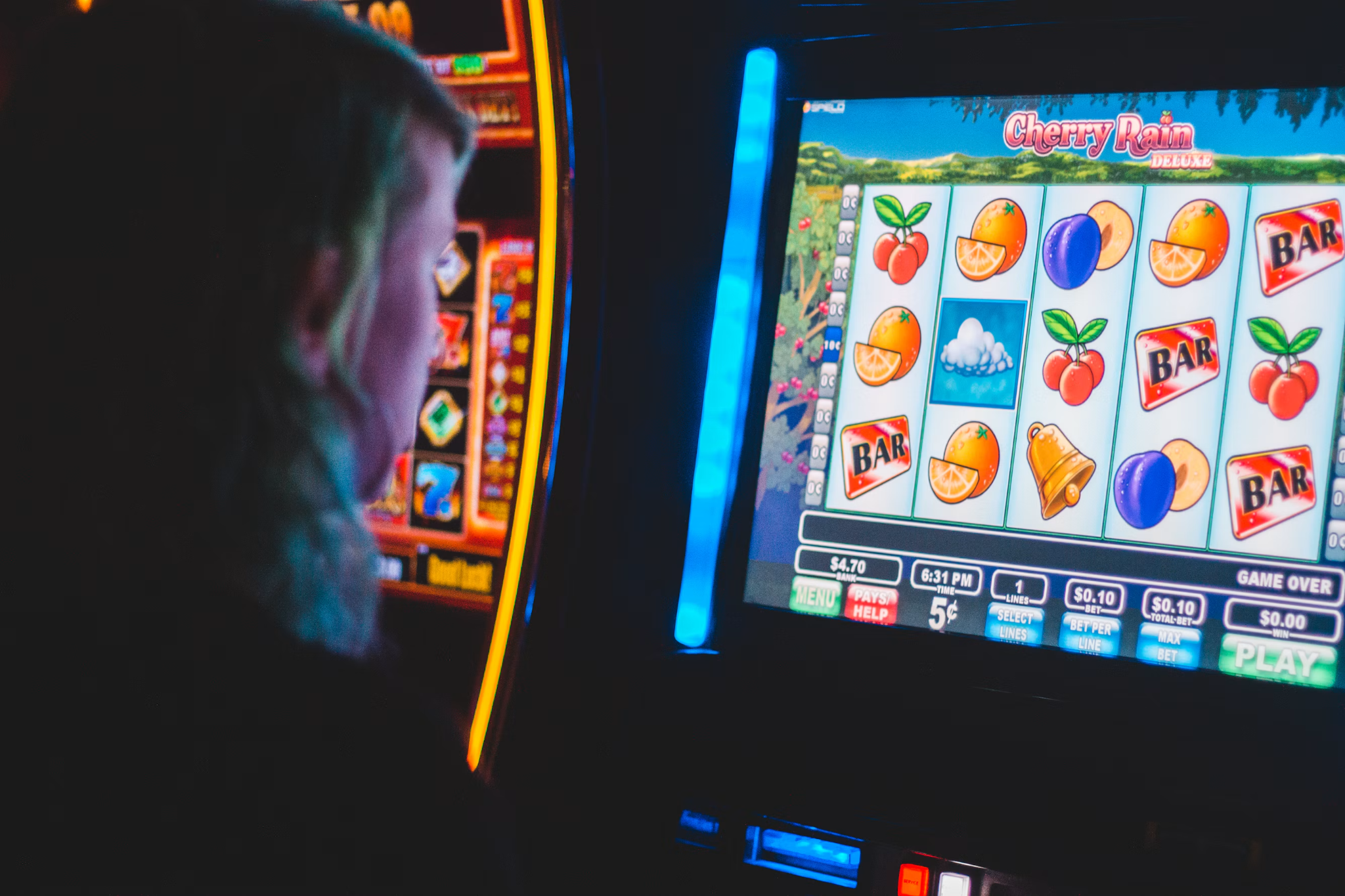
A slot session has always been a private affair. One screen, one balance, one stream of spins that nobody else sees. Tournaments change that arrangement by putting a leaderboard beside the reels, and suddenly a quiet evening spin becomes a race with a visible finish line.
Watching one live makes the concept click within a minute. On a platform such as sankra casino online, a tournament page lists the eligible games, the start and end times, the prize pool and the live ranking, so a newcomer can read how the format works before joining a single round. That single page explains most of what follows in this article.
What a Slot Tournament Actually Measures
Every tournament needs a scoring rule, and the rule decides how the whole contest feels. Some events rank players by the biggest single win multiplier, which rewards one lucky spin. Others tally points spin by spin over days, and the consistent player regularly passes the one who got a single windfall.
A third type scores each spin relative to the stake. Organisers like this version because it keeps the leaderboard honest across very different budgets. In practice the main scoring styles are:
-
Biggest single multiplier in one spin
-
Total points collected over the whole period
-
Win relative to the stake, so small and large bets compete fairly
Why Leaderboards Change Behaviour
A number beside your username quietly rewrites how a session feels. A player who would normally stop after twenty minutes may stay for the final half hour simply because fourth place is only a few points from third. Game designers borrowed this from arcade high score tables, where initials in the top ten kept people feeding coins into the machine. Picture a Friday night weekly ladder where you sit eighth at nine o’clock, see that seventh place is only forty points away, and decide on one more round. Multiply that decision by a few hundred participants and you understand why organisers schedule finals on weekends.
The effect cuts both ways, and good operators know it. Countdown timers and rank alerts create energy, yet they also nudge people to play longer than planned, which is why many events publish clear end times and cap the number of qualifying spins.
Common Tournament Formats at a Glance
Formats differ in length, scoring and entry style. Reading the rules before the first spin takes two minutes and saves confusion later.
Daily sprints usually run a few hours and attract casual players who want a quick finish. Weekly ladders stretch across seven days and favour people who log in often. Knockout brackets set two entrants against each other per round, and the loser drops out.
|
Format |
Typical length |
Scoring basis |
Best suited to |
|
Daily sprint |
2 to 6 hours |
Points per spin |
Short sessions |
|
Weekly ladder |
7 days |
Cumulative points |
Regular visitors |
|
Top hit race |
One day |
Best single result |
Fans of one dramatic spin |
|
Knockout bracket |
3 to 5 rounds |
Head to head totals |
Fans of cup style play |
How Prize Pools and Entry Work
Prize pools come in two broad shapes. A fixed pool is announced in advance and split among the top ranks, often with the first place taking around a third of the total. A growing pool might open at 500 euros on Monday and reach three times that by Sunday, because every new entrant adds a slice.
Entry is usually either free with a qualifying bet, or tied to a small buy in. The rules page spells out which one applies, along with the minimum stake that counts toward points.
Reading the Fine Print Before You Join
Three details matter more than the headline prize. First, confirm the eligible titles, since some events accept just three or four slots from the whole catalogue. Second, look at the minimum bet per spin that earns points. Third, find out when the leaderboard locks, since the final standing is sometimes calculated a few minutes after the clock stops.
A player who skips these lines may spend an hour on a game that scores nothing. It happens more often than organisers would like to admit.
Why Social Features Keep the Format Alive
Chat windows, live rank tickers and shared countdowns give a solo hobby a communal rhythm. Streamers have leaned on this heavily, turning tournament nights into watchable events with commentary and friendly rivalry between viewers.
Even without a stream, the sense that hundreds of strangers are chasing the same board at the same moment adds a layer that a lone session cannot offer.
Smart players pair that energy with a plan. Fix a spending ceiling and a stop time ahead of the opening round, and let the ranking be a bit of fun instead of a goal. Finishing tenth with money left beats climbing to third on funds meant for something else, and most licensed platforms offer deposit limits and session reminders that are worth switching on.