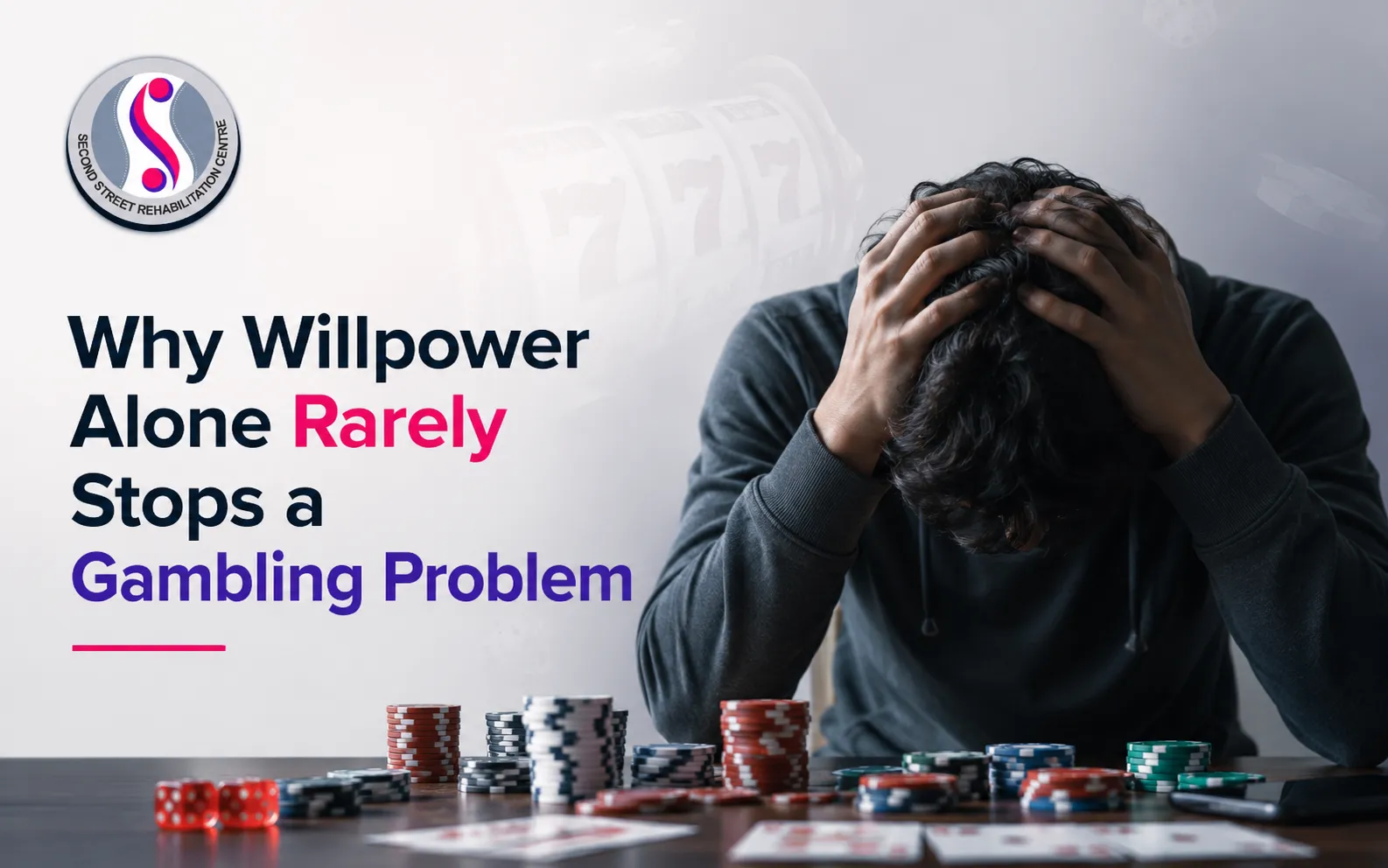
Families often hear the same promise after a betting loss: “This was the last time.” The promise may be sincere. Yet a few days later, another match, message or cash shortage brings back the urge. When this cycle keeps repeating, a search for nasha mukti kendra India reflects a need for structured help, not a lack of patience at home.
Gambling disorder changes how a person responds to risk and loss. After losing, the person may feel driven to recover the money at once. Willpower weakens when this urge meets easy credit, betting apps and shame.
Why a Promise to Stop Is Not a Treatment Plan
Salary day, a live match, an argument or boredom can restart betting. The person may delete one app yet keep another account secret, or use a relative’s phone.
The World Health Organization says people who gamble at harmful levels create about 60% of all gambling losses. It also warns that gambling can lead to debt, poor mental health, family violence and suicide. These harms show why the problem needs care before every rupee is lost. (World Health Organization)
What Good Care Should Explore
Care should begin with a calm, private review. The counsellor must ask when betting started, how often it happens and how much debt has built up. Loans, credit cards, money taken from work and cash borrowed from friends all matter.
A mental health review should check for depression, anxiety, poor sleep, alcohol or drug use and thoughts of self-harm. The family’s safety matters too. Threats, theft, unpaid food bills or pressure to raise more money require a safety plan.
What Happens Inside Gambling Rehab
A well-run gambling rehab does more than keep a person away from a phone. Cognitive behavioural therapy helps the patient spot false beliefs, such as “a win is due” or “one final bet will solve the debt”. Guided talks help reduce denial without turning each session into an argument.
Daily care should rebuild sleep, work habits and honest use of time. The patient learns how an urge rises, peaks and passes without a bet. Role-play can prepare the person to refuse offers, face a lender or tell the truth after a slip.
Residential care may suit someone with severe debt, repeated relapse, unsafe behaviour or no control over betting access. Others may improve through regular outpatient sessions. A clinical team should decide the level of care after assessment.
Families Need Boundaries, Not Constant Policing
Paying each new debt in secret can allow the cycle to continue. So can handing over cash after threats. With the patient’s consent, one trusted adult can oversee key payments for a period. Essential bills should come first. Credit access can be limited, betting accounts closed and debts listed.
This plan should have clear dates and reviews. The aim is to restore safe control, not take away an adult’s rights forever.
Recovery is rarely a straight line. Early warning signs may include checking odds, hiding messages, asking for cash or talking about a “sure win”. These signs need a quick response, not shame. If there is talk of suicide, violence or leaving home after a major loss, urgent psychiatric or emergency care is needed. Timely treatment gives the person and family a safer way forward.