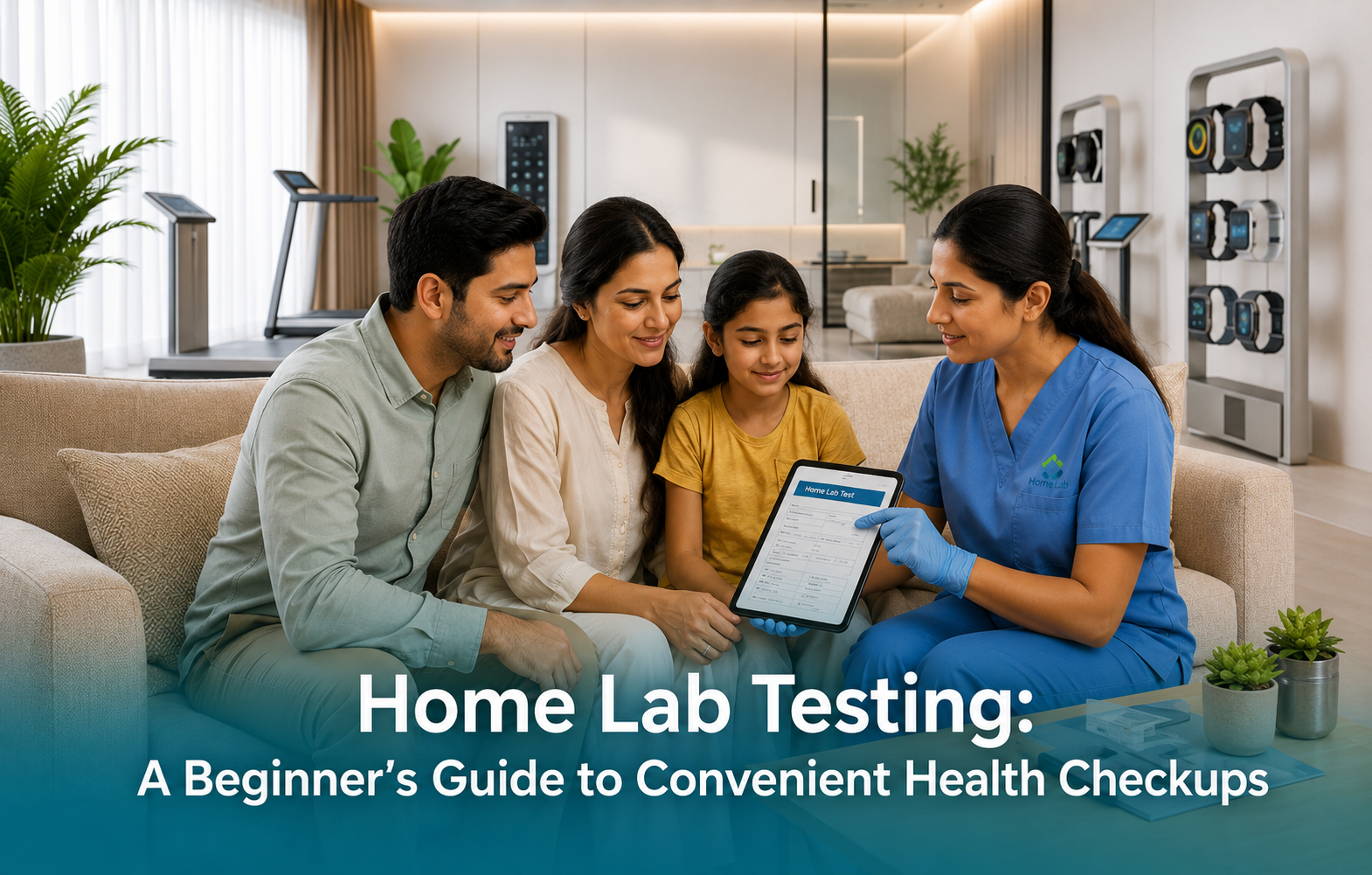
If you have never booked a lab test at home before, the whole idea can feel slightly unfamiliar at first. How accurate is it really. Does someone actually come to your house. What happens if something on your report looks off. These are fair questions, and the honest answer is that home testing works almost exactly like a clinic visit, just without the clinic. This guide breaks down what a first timer should expect, from booking to reading the results.
What Home Lab Testing Actually Means
At its simplest, a home lab test service brings a trained technician to your door instead of asking you to come to them. They collect your sample using the same sterile equipment used in any clinic, then send it to an accredited lab for processing. The lab itself does not change. Only the collection point does.
This matters for people who cannot easily get to a clinic, whether that is because of a busy schedule, mobility issues, or simply not wanting to sit in a waiting room for a routine check. It also matters for anyone who values privacy, since a home visit means no one else needs to know why you are getting tested.
How Booking Actually Works
For someone doing this for the first time, the process is more straightforward than expected. You choose the test or panel you need, either online or over the phone, and pick a time that works for you. If the test requires fasting, this is explained clearly beforehand so there are no surprises on the day. A technician arrives at the scheduled time, confirms your details, and collects the sample, usually in well under fifteen minutes for a standard blood draw.
What to Expect During a Blood Test at Home
A blood test at home follows the same basic steps as one at a clinic. The technician will ask a few quick questions about your health history, clean the collection site, and draw the sample using a fresh, single use needle. Most people describe it as no different from a lab visit, aside from being in their own living room instead of a clinic chair. Once the draw is done, the sample is packed and transported under proper conditions to keep it stable until it reaches the lab.
How Long Results Take
Turnaround time depends on the specific test, but most routine panels are ready within twenty four to forty eight hours. Results are usually sent digitally, often through an app or email, along with reference ranges next to each value so you can see where your numbers fall. More specialized or less common tests can take a bit longer, and this is typically communicated at the time of booking so there are no surprises.
Making Sense of Your First Report
The first time you look at a lab report, it can feel like reading a foreign language. Every value sits next to a reference range, which tells you whether it falls within what is considered typical for someone your age and sex. A number outside that range is not automatically something to worry about. Plenty of factors, including recent illness, medication, or even hydration, can shift a result temporarily. This is exactly why most home testing services include access to a doctor who can walk you through your report and flag anything that genuinely needs follow up.
Is Home Testing Right for You
Home lab testing suits almost anyone, but it tends to make the biggest difference for people managing an ongoing condition who need regular monitoring, parents trying to get a child tested without a stressful clinic visit, or simply anyone who would rather spend fifteen minutes at home than an entire morning out. The accuracy is the same either way. What changes is how much easier the whole process becomes.
Getting Started
If you are considering your first lab test at home, start with whatever routine checkup or panel your doctor has recommended, and treat the experience as exactly what it is, a normal blood draw that happens to come to you.
Genex Lab offers a full home lab test service across a wide range of panels, backed by DHA approved processes and fast, reliable reporting for anyone getting started with home testing.