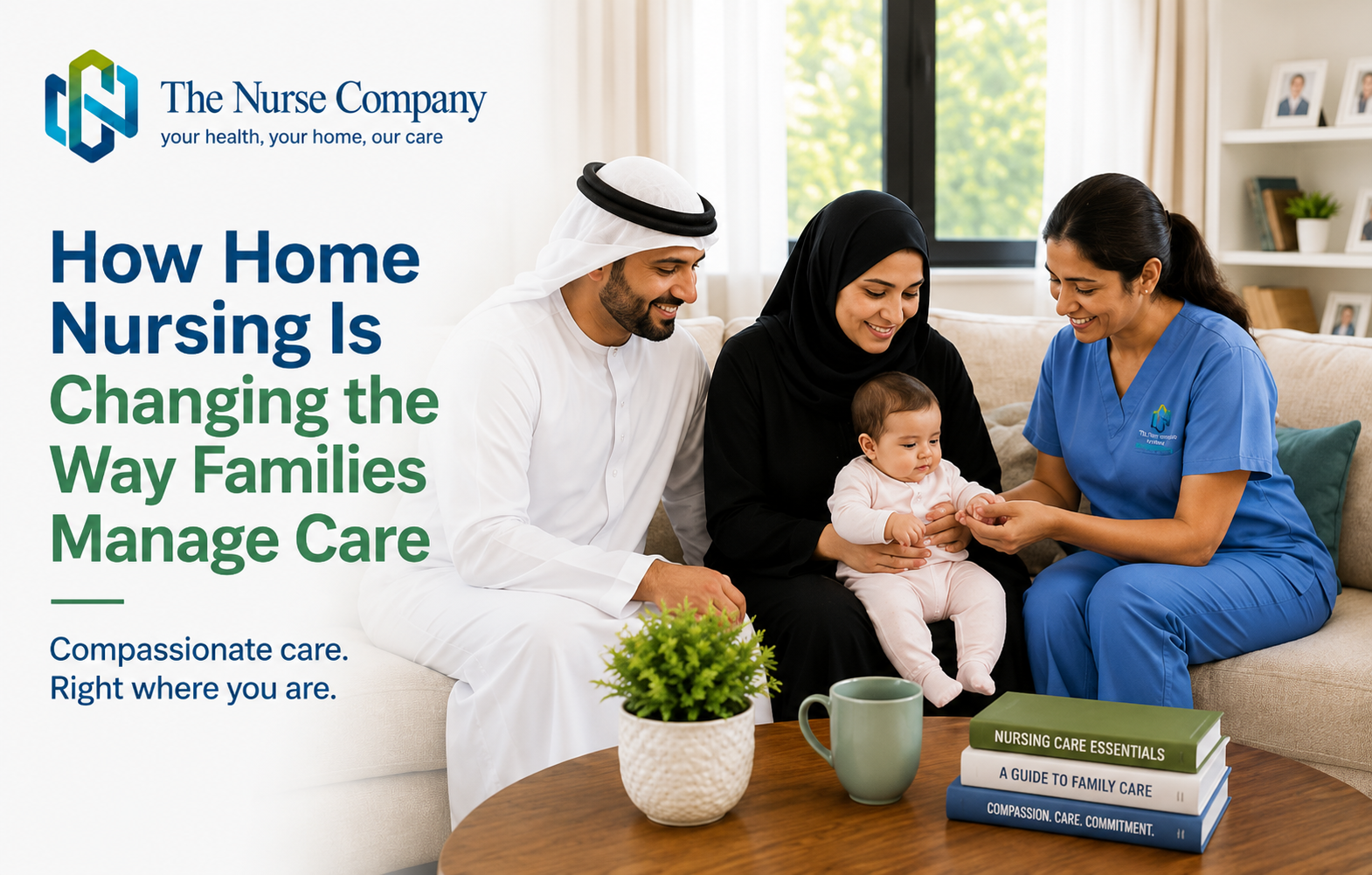
A generation ago, if a parent needed ongoing medical attention, the options were limited. Either a family member took on the role themselves, often without the training to do it safely, or the person moved into a facility, sometimes far from everyone they knew. Neither option was really a choice so much as a compromise. That gap is exactly what has been closing over the past several years, and the shift has changed how families in Dubai and across the UAE think about caring for the people they love.
From Reluctant Compromise to Genuine Option
What used to feel like the only fallback now looks more like a deliberate decision. Families are actively choosing to bring qualified care into the home rather than treating it as a last resort. Part of this comes down to trust. Once people saw that Professional Home Nursing Services could deliver the same clinical standard as a hospital ward, without asking a loved one to leave their own bed, the appeal became obvious.
The other part is simply awareness. A decade ago, many families did not know home based options existed for anything beyond basic companionship. Now it is understood that everything from post surgical recovery to chronic disease management can be handled competently at home, with a licensed nurse managing medication, wound care, and monitoring exactly as they would in a clinical setting.
Why This Matters Most for Aging Parents
Nowhere is this shift more visible than in how families approach aging relatives. Elderly Care at Home Service in Dubai has become the preferred path for a lot of households, and the reasoning is straightforward once you sit with it. An older parent who stays in their own home keeps their routine, their independence, and their sense of self, all of which tend to erode quickly in an unfamiliar facility.
Practically, this looks like a caregiver helping with daily tasks such as bathing, meals, and mobility, paired with a nurse who manages any medical needs like blood pressure monitoring, medication schedules, or chronic condition management. Families get regular updates, doctors stay in the loop, and the parent gets to keep living somewhere that still feels like theirs. For adult children juggling their own careers and households, that combination removes a huge amount of guilt and logistical strain that used to come with the alternative.
The Ripple Effect on Family Dynamics
There is a less obvious change happening too. When professional support handles the clinical side of care, family visits stop being about managing tasks and go back to being about actual connection. A daughter visiting her father no longer has to double as his nurse, which changes the entire tone of that relationship. This is one of the quieter but more meaningful effects of bringing trained care into the home.
What Families Should Look For
Not every provider offers the same level of rigor, so a few things are worth checking before committing to one. Licensing and proper accreditation should be the baseline, not a bonus feature, since this is medical care happening outside a monitored facility. Staff should have specific experience with the type of care needed, whether that is post operative recovery, chronic illness management, or general elderly support. And communication matters just as much as clinical skill, since families need clear, regular updates rather than vague reassurances.
A Shift That Is Here to Stay
Home nursing has moved from a niche workaround to a mainstream way families manage care, and that trend shows no sign of reversing. It gives people dignity, keeps families closer to their normal rhythm, and delivers real medical outcomes without the disruption of institutional care.
The Nurse Company provides the best of these services, with licensed nurses and caregivers matched to each family’s specific needs.