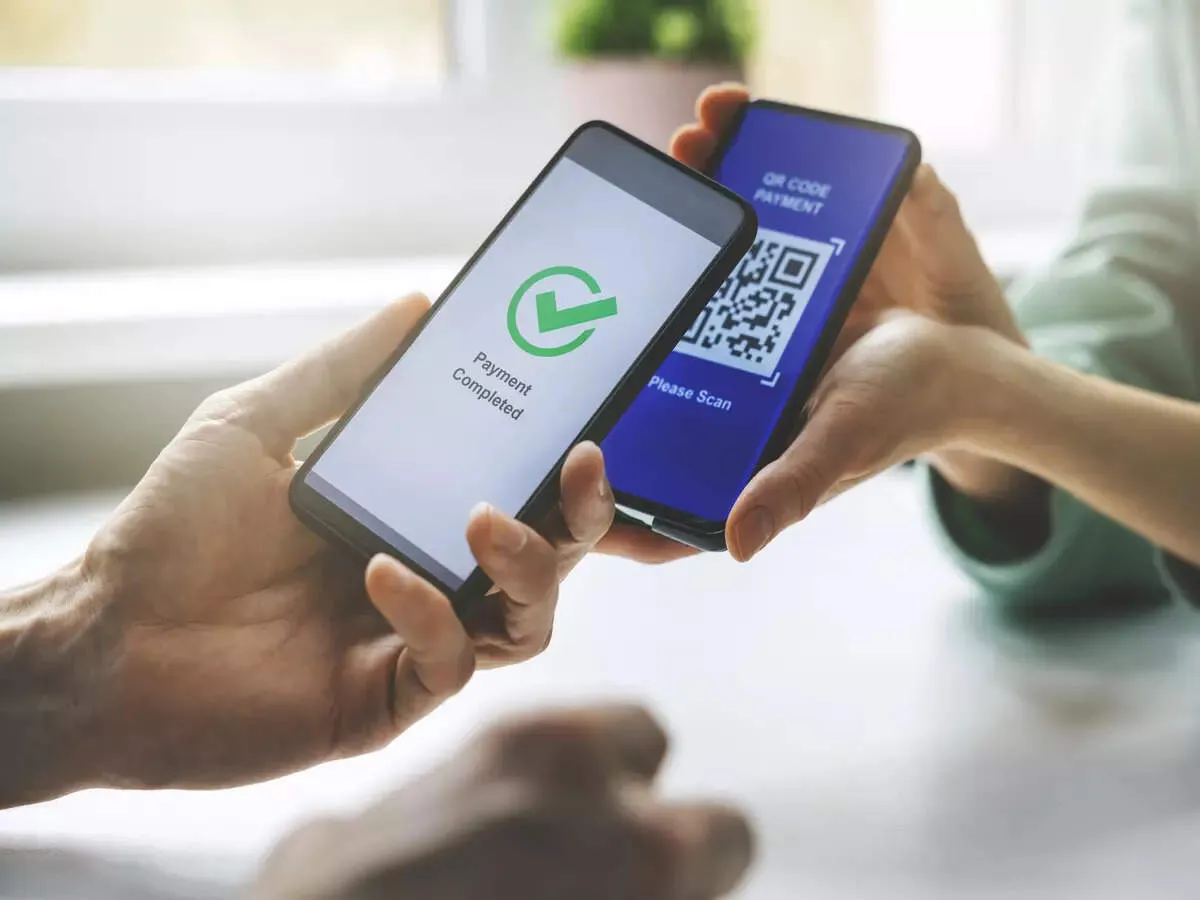
When a deposit is delayed or a balance does not update immediately, users are more likely to search quickly for help. Scammers exploit that urgency by posing as support staff and offering to solve the problem if the user shares credentials or sends another payment.
Anyone looking for BDG Win Deposit support should verify the contact method before discussing the transaction. A payment issue does not require giving a stranger an OTP, UPI PIN, full password, or remote access to the phone.
Fake Support Messages Often Sound Helpful
A phishing message may use polite language, copied logos, account terminology, and even partial information about common platform processes. The goal is to make the user feel they are dealing with someone who understands the problem.
The warning sign is usually the action requested: send money to a new address, install a remote-access app, share a screen, reveal an OTP, or provide a password. Those requests should be independently verified before anything is done.
UPI QR Codes Can Be Misused
QR payments are fast, which is why users should verify the destination before approving them. A scammer can send a code that looks like a legitimate replacement route while the payment actually goes to an unrelated personal account.
Users should not rely on the name shown in a chat message. The destination displayed inside the payment app should be checked against verified instructions, and unexplained changes should trigger a pause rather than a faster payment.
Know the Common Red Flags
Phishing becomes easier to recognise when users know the patterns that appear repeatedly. Most scams create urgency and try to move the user away from the platform’s normal process.
-
A new payment destination sent only through private chat.
-
Requests for OTPs, UPI PINs, or account passwords.
-
Claims that another payment will unlock the first one.
-
Pressure to install screen-sharing or remote-control software.
Common red flags include:
Protect the Login During Payment Disputes
Attackers sometimes send a fake BDG Win Login page after claiming that a payment issue requires re-verification. The copied page can capture the username and password before redirecting the user elsewhere, making the fraud appear like a normal login failure.
Instead of opening a link from the conversation, users should type or verify the known domain themselves. Payment troubleshooting should not require abandoning basic login security.
Keep Transaction Evidence Organised
A clear transaction ID, payment date, amount, and screenshot of the completed transfer can help genuine support trace a deposit. Users should keep those details privately and remove unrelated personal information before sharing evidence.
Good records also make phishing easier to spot because the scammer may refer to a different amount, time, or destination. Accurate information reduces dependence on whatever story the unknown support account is presenting.
Do Not Approve Collect Requests Automatically
UPI can involve both payments sent by the user and collect requests received from another party. A collect request can look like a credit-related action even though approving it may authorise money to leave the account.
Users should read the payment-app screen carefully and never approve a request merely because a chat message says it is required for verification or refund processing.
Verify Refund Messages Independently
Scammers may claim that a failed deposit has generated a refund and ask the user to approve a collect request, share an OTP, or pay a processing fee. A genuine refund should be checked through the payment provider and verified with support.
Users should not authorise a new debit merely because it is described as part of a refund. The payment-app screen should be read carefully before approval.
Check the Support Identity Before Replying
A display name in WhatsApp, Telegram, or another messaging app can be changed easily. Users should verify the phone number, handle, or support link against the website before sharing transaction details.
The safest support conversation starts from a known channel rather than from an unsolicited message that already claims to know the user’s problem.
Conclusion
UPI and payment phishing rely on speed, urgency, and the user’s desire to solve a problem quickly. Verifying the support channel, checking the payment destination, protecting login credentials, and refusing remote access can interrupt that pattern.
A delayed deposit may be frustrating, but sending more money or sharing security credentials rarely makes a suspicious situation safer. Clear records and independently verified support are better tools for resolving payment questions without creating a second problem.